


-

High-protein & gluten-free
High-quality fish protein meets a short list of ingredients - gluten-free and with valuable vitamins and minerals.
-

Naturally rich in omega-3
Valuable omega-3 fatty acids from fish support a balanced diet - with 369mg DHA per 10g
-

100% Swiss Quality
Controlled, locally sourced Swiss fish, short transport routes, and the sensible use of valuable by-products from our own production. For quality you can rely on.


-

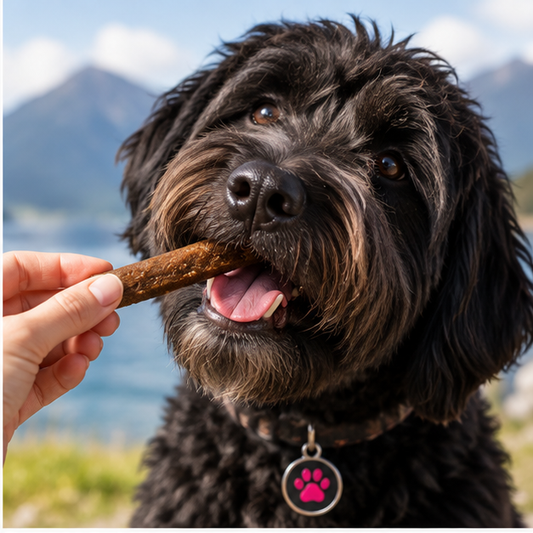 11% offSale
LOOP! - Fish Chewing Sticks for Dogs
Regular price From CHF 14.90Regular priceUnit price perCHF 16.90Sale price From CHF 14.90Sale -

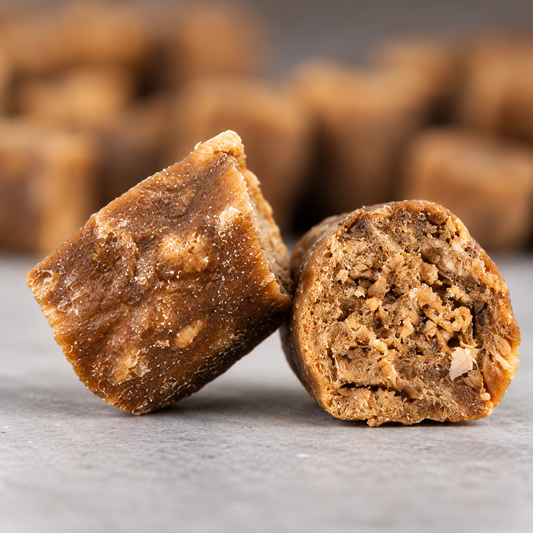 33% offSale
LOOP! - Fish Bites for dogs
Regular price From CHF 9.90Regular priceUnit price perCHF 14.90Sale price From CHF 9.90Sale -

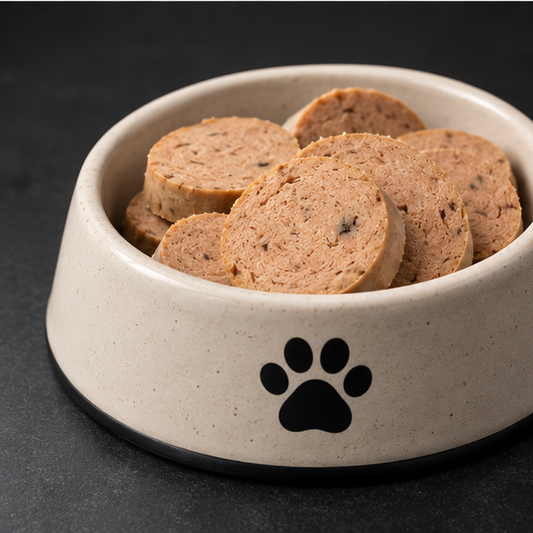 25% offSale
LOOP! - Fish Roll for Dogs
Regular price From CHF 3.30Regular priceUnit price perCHF 4.40Sale price From CHF 3.30Sale


Far more than just a fish factory
At LocalFish, we rely on a sustainable circular system that equally considers the environment, animal welfare, and people. Our local fish farms operate resource-efficiently and CO₂-neutrally, with minimal land consumption. Through innovative water reuse and our zero-waste principle, we minimize waste and conserve natural resources. In this way, we create real added value for nature and society – far beyond traditional aquaculture.
KNOW YOUR FOOD!


